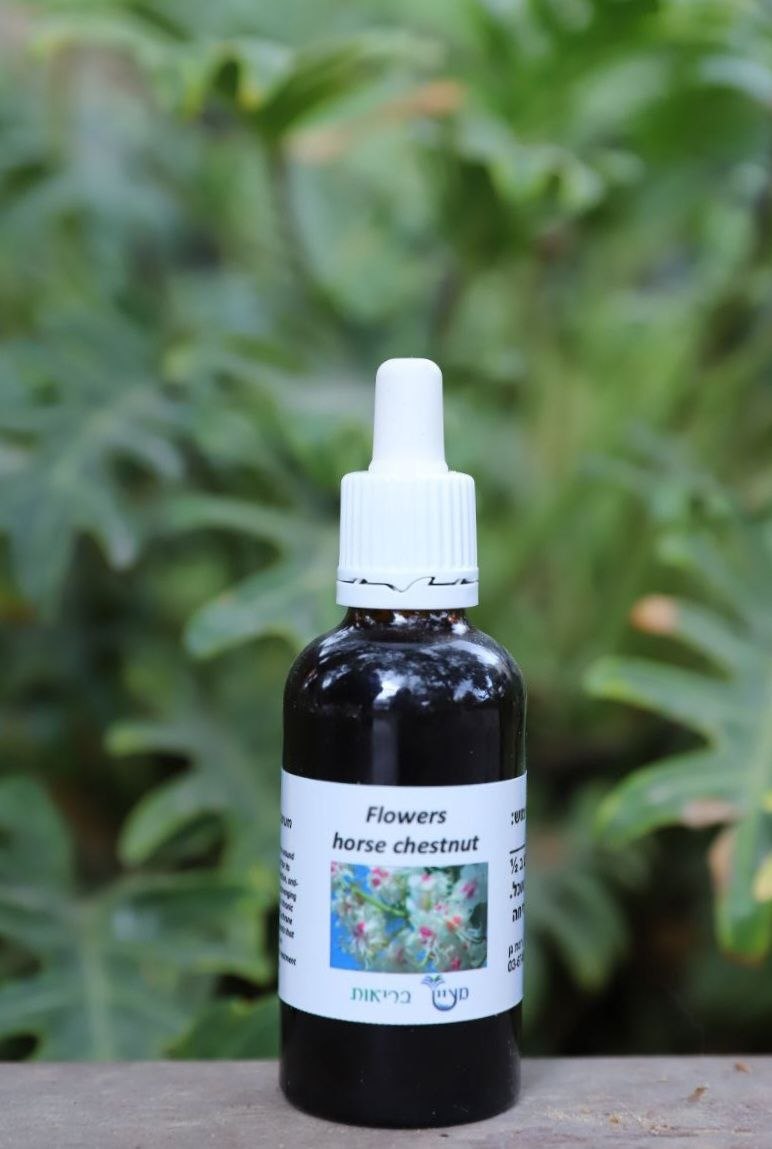
Horse Chestnut Flower Herbal Extract
Horse Chestnut Flower Herbal Extract
The product, selected quantity and price will be added to your message. We can help with your choice, delivery and payment.
1. Indications for Use (Who it is for and primary uses)
Horse chestnut flower tincture (Aesculus hippocastanum) is widely used for supporting the cardiovascular system and managing disorders of the veins and capillaries:
Varicose Veins: Relieves heaviness, throbbing, ache, and leg fatigue, while reducing swelling and nocturnal muscle cramps.
Thrombophlebitis & Phlebitis: Reduces inflammation in the vein walls, prevents blood clot formation, and aids in the resorption of existing thrombi.
Spider Veins & Capillary Networks (Couperose / Telangiectasias): Strengthens fragile capillaries, improves their elasticity, and reduces their visibility under the skin.
Hemorrhoids (Acute & Chronic): Alleviates swelling, pain, inflammation, and bleeding in hemorrhoidal nodes.
Chronic Venous Insufficiency (CVI): Enhances lymphatic drainage and microcirculation, helping to prevent long-term skin discoloration and trophic changes.
Edema & Swelling: Helps reduce fluid retention and swelling resulting from trauma, surgery, or venous stasis.
Read more: purpose, ingredients and directions
2. Method of Administration and Dosage
Oral Use (Internal Administration)
Dosage: 30 drops, 2 to 3 times daily.
How to Take: Mix 30 drops into a small amount of water (about half a glass) and consume 20–30 minutes before meals. Follow with a second glass of plain water.
Duration: Typically taken for 3 to 4 weeks, followed by a break.
Topical Use (External Application)
Direct Application & Rubbing: Gently apply the tincture directly to areas with visible spider veins, spider web capillaries, or enlarged veins. It can also be rubbed onto tired, aching legs using light upward strokes (moving toward the heart to follow venous blood flow).
Appliques & Compresses: For targeted relief on swollen or painful varicose veins, soak a piece of gauze or soft cloth with tincture (diluted 1:1 with water to avoid skin irritation) and apply it as a compress to the affected area for 20–30 minutes.
3. General Description and Chemical Composition
Horse chestnut flower tincture is a powerful botanical remedy praised in both traditional herbal medicine and modern phytotherapy for its venotonic and anti-inflammatory properties.
Key Active Components:
Escin (Triterpene Glycoside): The key active compound. Escin decreases capillary permeability, stimulates adrenal hormone production, improves venous tone, enhances microcirculation, and exerts strong anti-edema (anti-swelling) effects.
Flavonoids (Quercetin, Kaempferol, Rutin): Potent antioxidants that strengthen blood vessel walls, reduce fragility, decrease inflammation, and improve tissue elasticity.
Coumarins (Aesculin, Fraxin): Help lower blood viscosity, stimulate plasma anti-thrombotic activity, and significantly reduce the risk of blood clots.
Tannins & Organic Acids: Provide astringent, antibacterial, and anti-inflammatory benefits, supporting tissue recovery and overall vascular health.
Couldn't load pickup availability
Product information is based on the packaging and is not medical advice. Follow the label and consult a qualified professional when appropriate.